Early Warm Weather Means Early Allergies

MINNEAPOLIS (WCCO) -- From the sounds for sniffles and sneezes, you can hear: Spring is in the air! Along with our earlier-than-normal spring, allergy symptoms are appearing earlier, too.
"It's basically from here up," Tatum Fjerstad said pointing to her throat.
A scratchy voice, watery eyes and a stuffed up nose that keeps dripping signal that spring allergy season is here.
"Today I woke up and felt like I've been partying for four days. This is awful," said Fjerstad.
This allergy season started early, so Fjerstad isn't alone in her suffering.
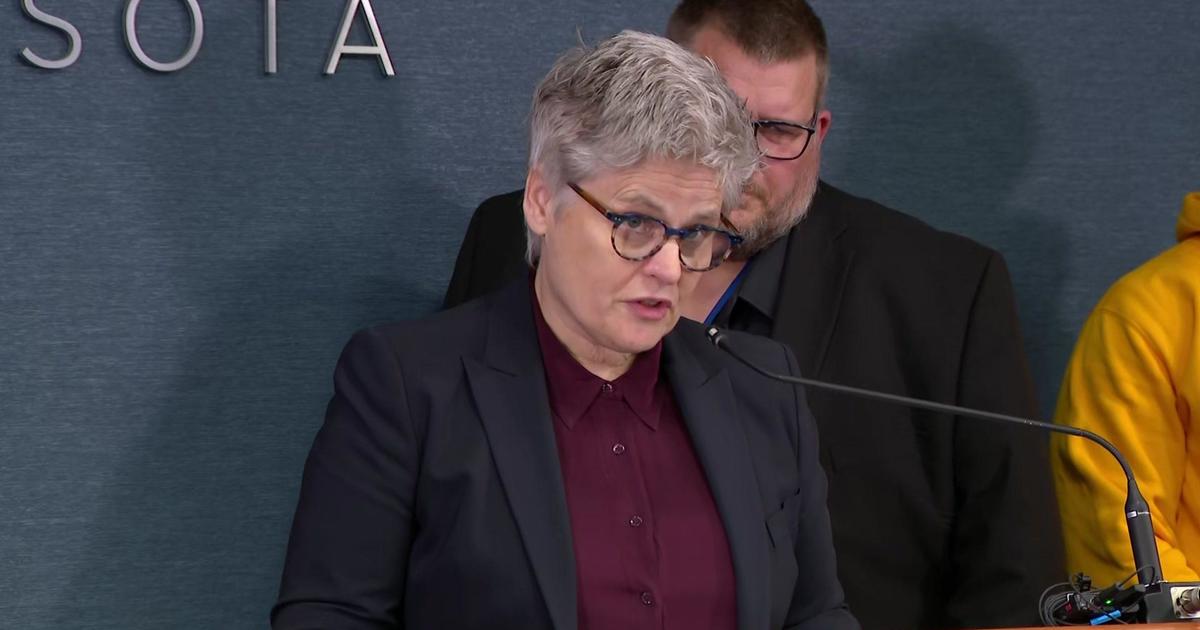
"I think this is going to be a trend for the future. We are going to see longer and longer seasons," Dr. Pramod Kelkar said, adding he's already seeing an increase in patients who complain about allergy symptoms.
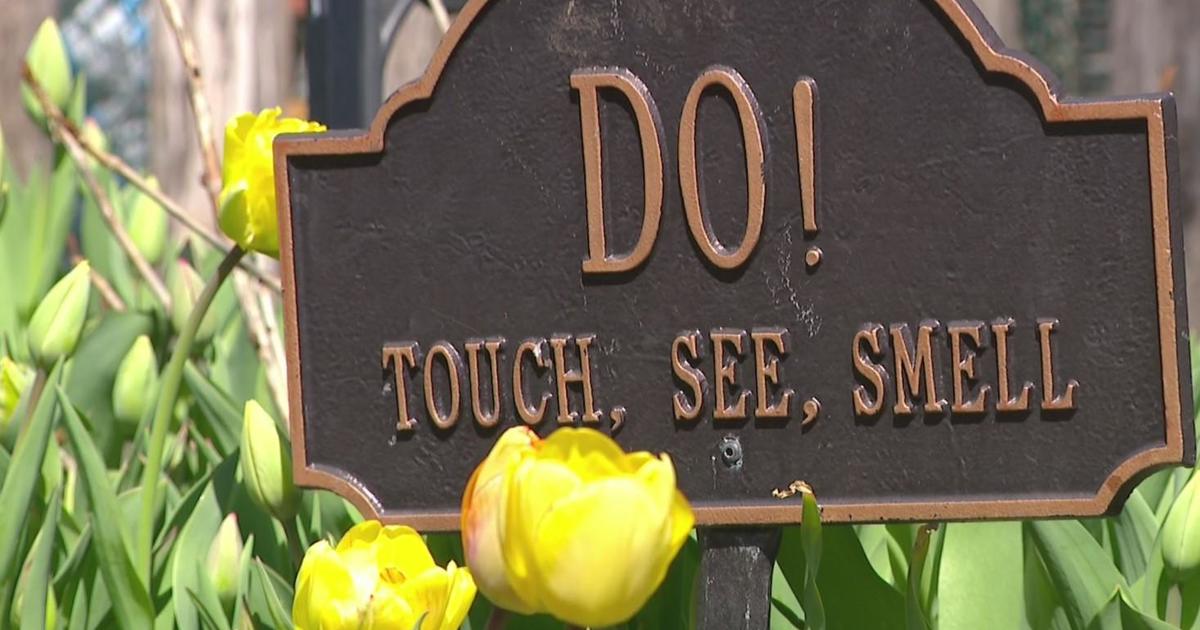
Researchers blame climate change. As the seasons get longer, more carbon dioxide is in the atmosphere. When spring starts earlier, like it has this year, trees and flowers bloom sooner and produce some higher levels of pollen.
"Even the type of pollen they produce can be slightly more powerful than the usual pollen," Kelkar said.
That means, symptoms are worse and are prolonged with the longer season.
Climate change is also linked to an increase of thunderstorms, which can also aggravate allergies.
"It's because of the high winds," Dr. Kelkar said. "There are a lot of particulates in the air and allergens in general, that triggers people allergies and asthma."
There are some studies that found mold counts after thunderstorms are higher too, which can contribute to allergy attacks.
So what can you do so you're not stuck and home feeling crummy?
First, doctors recommend closing your windows.
"If it is hot, dry and windy, that's going to be really bad for allergies because all the pollen gets stirred up. And pollen can travel for miles and miles."
Dr. Kelkar explained if, for instance, you are allergic to maple trees and don't have maple trees on your street, some from across town could cause your allergies to flare up.
It's the same reason why you shouldn't dry your clothes or laundry outside. Being proactive can help ease symptoms before they're a problem.
Netti pots and saline rinses are effective in helping nasal allergies. Patients can also consider over-the-counter medications and antihistamines or allergy shots.
Fjerstad, who knows budding trees can trigger allergies, doesn't want to be holed up in her house.
"I have been spending the last five or six days outside, why wouldn't you? I live by the lakes and its gorgeous."
Dr. Kelkar said she and other allergy sufferers shouldn't avoid doing what they enjoy.
"If people are outside and outdoors, when they come inside, they should take a shower so all the pollen is washed off."
One solution to ease the sneezing increasing could be in higher gas prices.
Car emissions contribute to carbon dioxide levels. When gas prices are high, fewer people drive, so the carbon dioxide levels are lower, and allergens aren't as bad.
You can see how the allergy count is in your neighborhood. The American Academy of Allergy, Asthma and Immunology tracks popular allergens on this site.